Tractor Supply's Role in Sustainable Agriculture
Tractor Supply Company (TSC) plays a significant role in the sustainable agriculture landscape, serving a diverse clientele ranging from hobbyist gardeners to large-scale commercial farms. This broad customer base highlights TSC's accessibility and its importance as a one-stop shop for agricultural needs. Its extensive network of stores, particularly those in rural areas, provides crucial access to essential supplies, a key competitive advantage. However, challenges exist, and TSC must adapt to thrive in this evolving sector. This analysis will explore TSC's position in sustainable agriculture, identifying key challenges and opportunities for growth. For more information on specific products, like diatomaceous earth, check out this helpful resource.
Tractor Supply Bountiful: A Local Lifeline
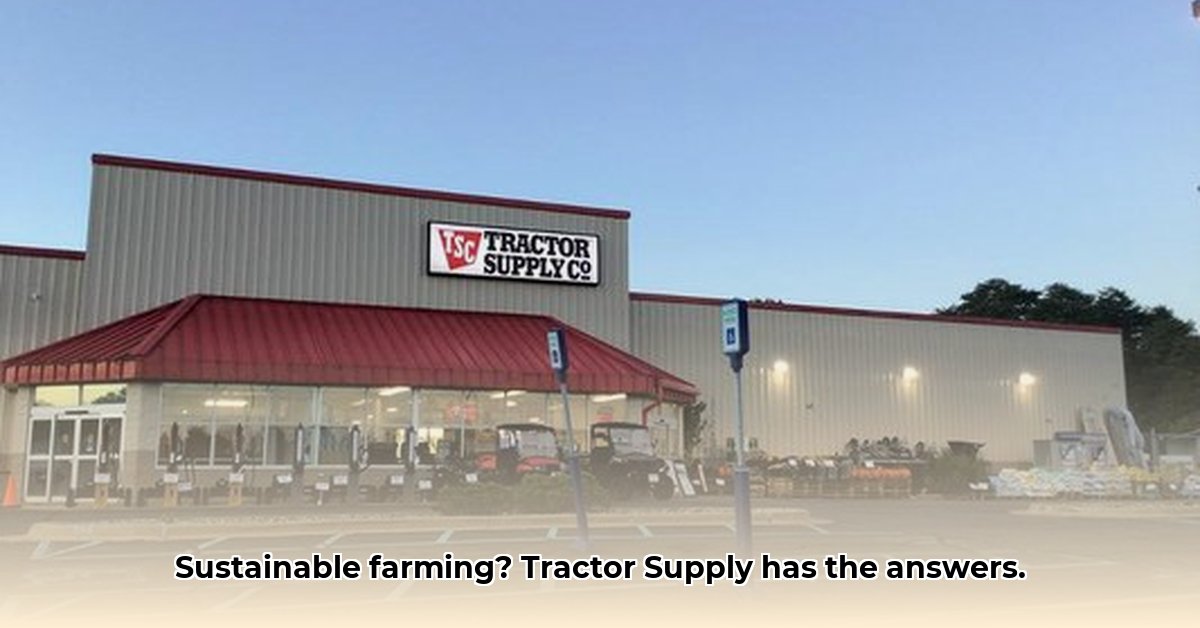
The Bountiful, Utah, Tractor Supply store exemplifies the company's widespread impact. Its comprehensive inventory—including seeds, fertilizers, tools, and livestock supplies—directly supports local sustainable agriculture. This broad product range makes it a valuable community resource. The convenient access to a wide selection of goods is particularly beneficial in rural areas where options may be limited, fostering local agricultural resilience.
Navigating the Challenges: Supply Chains and Competition
Despite high demand, TSC faces significant challenges. Supply chain vulnerabilities, a common industry issue, result in product shortages and price fluctuations, impacting profitability and customer satisfaction. Delays in delivering essential goods, such as fertilizer, can directly harm farmers' yields and diminish trust in TSC. Furthermore, the rise of e-commerce and competition from large big-box retailers pose a significant threat. Online competitors often offer lower prices and enhanced convenience, necessitating TSC's adaptation to retain its market share.
Opportunities for Growth and Innovation
TSC's long-term success hinges on innovation and adaptation. Rather than solely competing on price, TSC should leverage its strengths by focusing on niche areas overlooked by larger competitors. Building a strong sense of community through hyperlocal services, such as workshops teaching sustainable farming techniques or partnerships with local farmers' markets, can foster customer loyalty and differentiate TSC from its competitors. This approach also allows TSC to better understand and respond to the unique needs of its regional customer base.
Actionable Strategies for Stakeholders
To effectively address challenges and capitalize on opportunities, a multi-pronged approach is crucial for all stakeholders.
1. TSC Management (Bountiful & Beyond):
- Short-Term: Streamline online ordering; improve supply chain visibility with robust data analytics; invest in staff training on sustainable practices; cultivate stronger relationships with local producers.
- Long-Term: Develop a robust omnichannel strategy; cultivate strong relationships with local, sustainable suppliers; utilize data analytics to predict demand and optimize inventory; invest in renewable energy infrastructure for stores.
2. Local Farmers/Ranchers:
- Short-Term: Actively engage with TSC staff; leverage TSC's resources (workshops, advice); explore available financing options or loyalty programs.
- Long-Term: Adopt sustainable farming practices; embrace technological advancements to increase efficiency and productivity; actively engage in community-building initiatives with TSC.
3. Consumers (Gardeners/Pet Owners):
- Short-Term: Utilize TSC resources; participate in loyalty programs; provide feedback on products and services.
- Long-Term: Support brands committed to sustainable practices; actively seek out eco-friendly options; engage with TSC’s community outreach programs.
4. Investors:
- Short-Term: Monitor supply chain resilience and financial performance; evaluate progress in sustainability initiatives; consider the long-term impact of climate change on TSC’s business.
- Long-Term: Assess TSC's commitment to ESG (Environmental, Social, and Governance) factors; analyze its long-term growth potential in the context of sustainable agriculture trends.
The Future of Sustainable Farming: A Collaborative Approach
The future of TSC and sustainable agriculture is inextricably linked. By addressing challenges proactively and strategically capitalizing on opportunities, TSC can solidify its position as a cornerstone of sustainable agriculture. This requires embracing innovation, fostering strong customer relationships, and actively supporting the local farming community. The potential for growth and success is significant, but requires collaborative effort and strategic adaptation.
Sources:
[1]: (Insert relevant source here - replace placeholder with actual source)